TradingView vs NinjaTrader: Charting Platform vs Futures Brokerage

NinjaTrader is now both a standalone charting platform and a brokerage that integrates directly with TradingView, which changes how futures traders think about these two tools. They are no longer either-or. If you trade futures, you may find yourself using both: NinjaTrader for native order execution and TradingView for broad market research and charting across every asset class.
This guide breaks down how the two platforms compare on features, pricing, scripting languages, and the integration question that most futures traders are asking in 2026.
Key Takeaways
- TradingView is a cloud-based multi-market charting platform; NinjaTrader is a futures brokerage with its own desktop charting software
- Funded NinjaTrader brokerage accounts include complimentary TradingView access, and NinjaTrader connects as a brokerage inside TradingView
- Active futures traders often use both: NinjaTrader for native execution, TradingView for broad market research and charting
Track Your NinjaTrader Trades
Financial Tech Wiz Trading Journal
Import your NinjaTrader futures trades automatically via SnapTrade and track win rate, P&L, and performance analytics alongside your TradingView charts.
Start TrackingKey Characteristics of NinjaTrader and TradingView
At a high level, these two platforms serve different purposes. TradingView is a research and charting tool that covers every major market. NinjaTrader is a futures brokerage and execution platform with its own charting software. Where they overlap is futures charting, and the official broker integration now makes it possible to use them together without switching between windows.
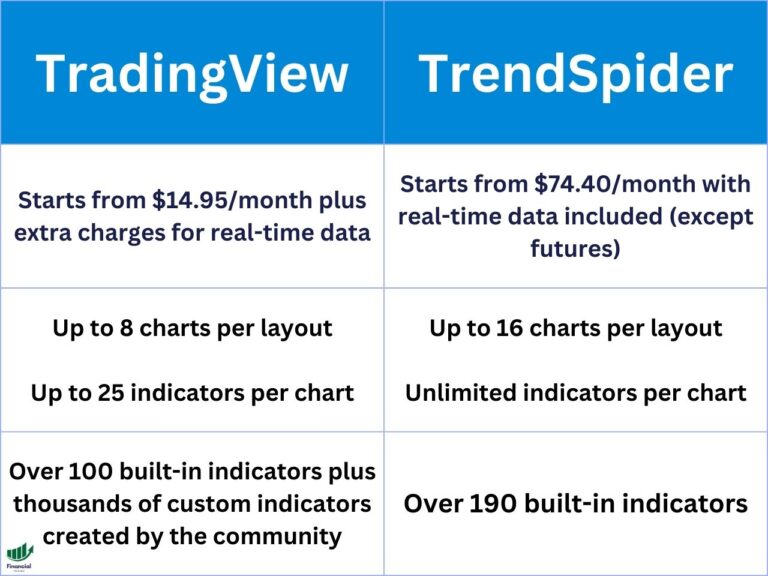
| Feature | TradingView | NinjaTrader |
|---|---|---|
| Platform Type | Cloud-based charting platform | Futures brokerage + desktop charting |
| Market Coverage | Stocks, ETFs, futures, forex, crypto, indices | Futures, futures options, forex |
| Execution Model | Not a broker; connect via 25+ supported brokers | Direct brokerage execution |
| Charting Language | Pine Script (proprietary) | NinjaScript (C#-based proprietary) |
| Backtesting | Built-in strategy tester | Strategy Analyzer (robust backtesting) |
| Broker Integration | 25+ brokers including NinjaTrader | Standalone brokerage; integrates with TradingView |
| Pricing Model | Free tier; paid plans from $12.95/mo (annual) | Free platform; per-contract commissions; $1,499 lifetime option |
| Download Required | No (browser-based; desktop app optional) | Yes (Windows desktop app required) |
Overview of NinjaTrader
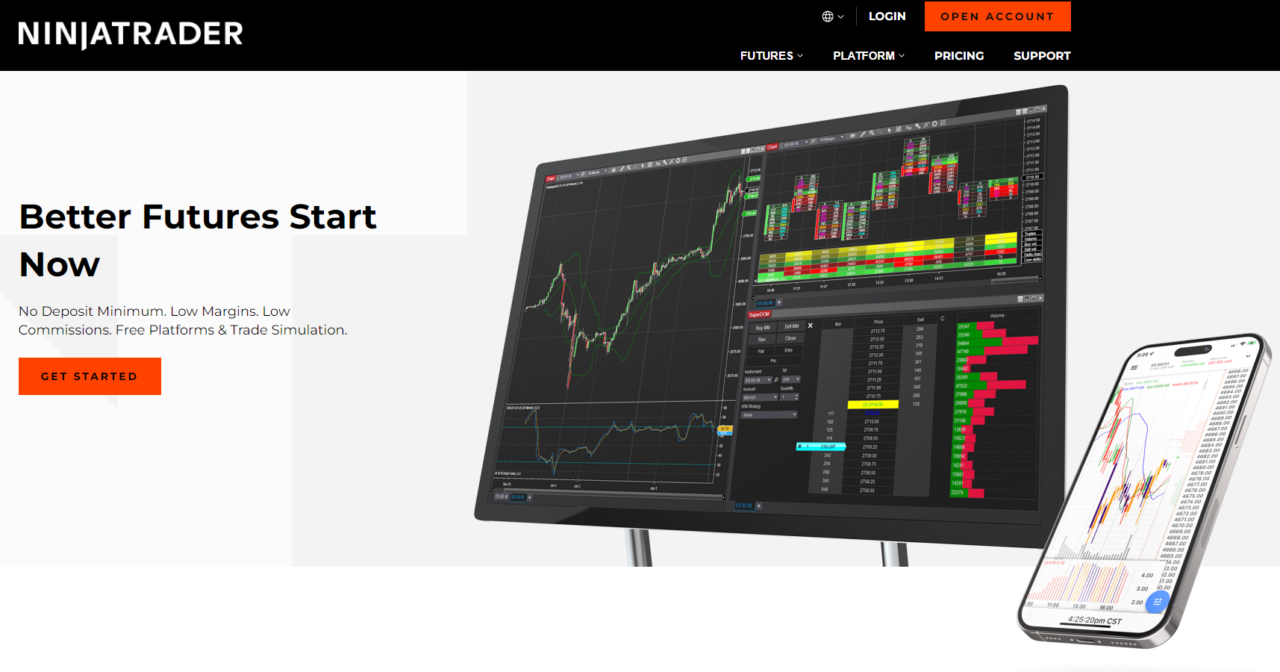
NinjaTrader is a futures trading platform known for advanced charting, trade simulation, and market analysis tools. It targets active futures traders who need detailed technical analysis, order flow tools, and automated trading strategies. The platform runs as a downloaded Windows desktop app and is built on NinjaScript, a C#-based proprietary scripting language that lets you create custom indicators, strategies, and fully automated order execution systems deployed directly inside NinjaTrader’s order routing engine.
Unlike TradingView, NinjaTrader is a brokerage. You can fund an account directly and trade futures and options on futures without connecting a third-party broker. The platform software is free to download and use for simulation and backtesting. Paying for a monthly plan ($99/month) or a one-time lifetime license ($1,499) reduces your per-contract commissions significantly for active traders. The lifetime license pays for itself relatively quickly for traders executing multiple contracts per session at the standard rate of $1.29 per contract.
NinjaTrader’s simulation mode (Sim101 account) lets you paper trade futures in real market conditions without risking capital. This makes it a useful onboarding tool for traders learning futures before going live. The Strategy Analyzer enables robust backtesting of NinjaScript strategies against historical data, including walk-forward analysis and parameter optimization.
Key NinjaTrader features include: advanced footprint charts and volume profile (paid tier), DOM (depth of market) order ladder for order flow trading, real-time data included with a funded brokerage account, and a marketplace of community-built NinjaScript indicators and strategies. NinjaTrader charges a $25 monthly inactivity fee if you log in but complete fewer than one round-trip trade per month, so it is designed for active traders rather than casual users.
NinjaTrader’s futures and options on futures focus means it does not support stocks or crypto trading. If you want to research or trade those markets from the same platform, you need TradingView or a separate charting tool alongside it.
Overview of TradingView
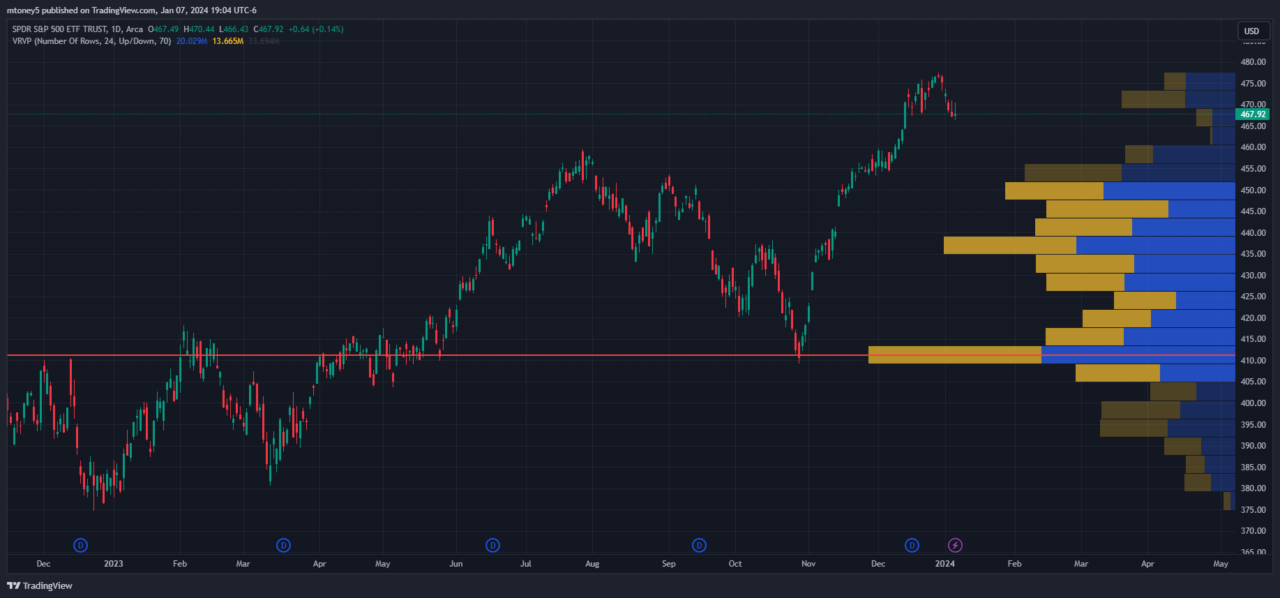
TradingView is a cloud-based charting and social platform covering every major asset class: stocks, ETFs, futures, forex, crypto, and global indices. You access charts from a browser with no download required, though a desktop app is available. The platform’s community has published thousands of open-source indicators and strategies in Pine Script, TradingView’s proprietary scripting language, making TradingView the largest community indicator library available in retail trading.
TradingView is not a brokerage. To place trades, you connect a supported broker inside the platform. The broker list includes over 25 brokers globally, including NinjaTrader, Tradovate, Interactive Brokers, Webull, and more. TradingView’s alert system lets you set price alerts, indicator-based alerts, and webhook alerts that can trigger automated order flow through connected brokers or third-party automation tools.
The free plan covers real-time data where available, one chart layout, and access to the full Pine Script community library. Paid plans unlock multiple chart layouts, more indicators per chart, faster data updates, Volume Profile, Bar Replay, and the full range of advanced charting features. See a full TradingView review for a complete breakdown of features by subscription tier.
TradingView’s biggest advantage over NinjaTrader is market breadth. If you trade stocks, forex, or crypto alongside futures, TradingView lets you chart everything from one place without switching platforms. The social layer (public chart ideas, published indicators, community strategies) has no equivalent in NinjaTrader, which is focused on execution rather than community.
For futures traders using TradingView, the broker integration with NinjaTrader means you can use TradingView’s charting interface while routing orders to your NinjaTrader futures account. This combination gives you TradingView’s multi-market research environment with NinjaTrader’s competitive futures commissions and execution engine.
Trading Costs and Commissions Compared
TradingView’s pricing is subscription-based. The platform does not charge trading commissions since it routes execution through your connected broker. Paid plans run from $12.95/month (Essential, billed annually) to $59.95/month (Premium, billed annually), with an Ultimate tier at higher volume. TradingView raised prices across all tiers in April 2026, so check the current pricing page before signing up. All paid plans include a 30-day free trial.
NinjaTrader’s cost depends on how often you trade. The platform software is free to download and use for simulation. If you fund a brokerage account and trade futures through NinjaTrader, you pay per-contract commissions on every trade. An optional monthly plan or one-time lifetime license lowers those commissions significantly for active traders.
| Plan | Platform Fee | Futures (Standard) | Futures (Micro) |
|---|---|---|---|
| NinjaTrader Free | $0 | $1.29/contract | $0.35/contract |
| NinjaTrader Monthly | $99/month | $0.99/contract | $0.25/contract |
| NinjaTrader Lifetime | $1,499 one-time | $0.59/contract | $0.09/contract |
| TradingView Essential | $12.95/month (annual) | N/A (not a broker) | |
| TradingView Plus | $29.95/month (annual) | N/A (not a broker) | |
| TradingView Premium | $59.95/month (annual) | N/A (not a broker) | |
Get Your Free Trading Resources
Grab the free trading journal template plus the same tools we use to stay organized, consistent, and objective.
- Free trading journal template
- Custom indicators, watchlists, and scanners
- Access our free trading community
Enter your email below to get instant access.
No spam. Unsubscribe anytime.
Can You Connect NinjaTrader to TradingView?
Yes. NinjaTrader is an available brokerage connection inside TradingView. The older answer to this question was no, but that changed with TradingView’s official NinjaTrader broker integration, which lets you place futures orders directly from TradingView’s chart interface on your NinjaTrader account. Funded NinjaTrader brokerage accounts also include complimentary TradingView access, so many NinjaTrader users already have both platforms available without paying a separate TradingView subscription.
How the integration works: the connection runs through the NinjaTrader web platform via the Tradovate API. Once connected inside TradingView’s Broker Panel, you can place NinjaTrader futures orders using TradingView’s order panel, DOM, or chart buttons. This is a manual order execution integration: you initiate trades from TradingView and they route to your NinjaTrader account. It is not a full automation pathway to NinjaTrader 8 (NT8). For fully automated strategy execution in NT8 from TradingView alerts, third-party webhook tools are required.
Setup overview: inside TradingView, open the Broker Panel, select NinjaTrader from the broker list, and log in with your NinjaTrader credentials. Once authenticated, you can execute trades on your NinjaTrader futures account directly from TradingView charts. For the full step-by-step process, see NinjaTrader’s official TradingView connection guide.
The practical use case: research setups across multiple markets in TradingView’s multi-asset charting environment, then execute directly on your NinjaTrader futures account without switching windows. For traders who want NinjaTrader’s execution quality and commission structure combined with TradingView’s charting environment, this integration is the clearest path to using both together.
NinjaScript vs Pine Script
Both platforms have proprietary scripting languages for building custom indicators and automated strategies, but they serve different trader types and have different execution capabilities.
NinjaScript is C#-based. If you know C# or are willing to learn it, NinjaScript gives you full access to NinjaTrader’s execution engine, order management, and live trading deployment. Strategies written in NinjaScript can run as fully automated live strategies inside NinjaTrader’s order routing and risk management framework. The NinjaTrader ecosystem includes a marketplace of community-built NinjaScript indicators, strategies, and add-ons, many of which specialize in futures and order flow tools unavailable on TradingView. For algo traders who want strategies deployed with live execution inside the platform, NinjaScript is the right choice.
Pine Script indicators use TradingView’s own scripting language. It is simpler to learn than NinjaScript, and the community library is enormous: thousands of open-source indicators are available directly inside TradingView without coding. Pine Script excels at indicator research, signal generation, alert-based workflows, and backtesting on historical data across multiple asset classes. Where Pine Script falls short is live execution: Pine Script strategies cannot natively execute live orders without a connected broker, and full automation requires webhook-based routing rather than native platform execution.
Bottom line: if your goal is building fully automated live-trading strategies that execute inside the platform with no external tools, NinjaScript wins. If your goal is indicator research, community resources, and broad market strategy exploration across multiple asset classes, Pine Script and TradingView win. Many active traders use both: Pine Script for research and alerting, NinjaScript for execution via NinjaTrader.
Which Platform Should You Use?
The answer depends on what you trade and how you trade it.
Futures trader wanting native execution: NinjaTrader is your primary platform. Its brokerage account, competitive per-contract commissions, and native order flow tools (DOM, footprint charts, Strategy Analyzer) are purpose-built for futures. TradingView is optional as a research layer, and your funded NinjaTrader account may already include complimentary TradingView access.
Multi-market chartist (stocks, forex, crypto): TradingView is the clear choice. NinjaTrader’s market coverage is limited to futures and options on futures. If you chart multiple asset classes from the same screen, TradingView handles everything without switching platforms.
Active futures trader who wants the best charting and execution: Use both via the official TradingView broker integration. Research setups in TradingView’s multi-market environment, then execute through your NinjaTrader account. The integration is live and free to set up if you already have a funded NinjaTrader account.
Beginner exploring futures trading: Start with TradingView’s free tier for charting and market research, then use NinjaTrader’s simulation mode (free) to paper trade futures before going live. Both platforms are free to start with. For beginners who want to build good habits from day one, tracking your paper trades in a free trading journal template will give you a baseline before you need a more structured tracking tool.
If you are comparing NinjaTrader against other futures platforms specifically, NinjaTrader vs Tradovate breaks down those differences in detail.
Is TradingView Charting Better Than NinjaTrader?
For most traders, yes: TradingView’s charting is more accessible, covers more markets, and is backed by a larger community indicator library. But the right answer depends on what you are charting and whether order flow is central to your trading.
TradingView’s charts run in a browser, cover every asset class, and come with the largest community-built indicator library in retail trading. The interface is accessible from day one with no software to install. NinjaTrader’s charts run locally on a Windows desktop app and are built specifically for futures trading, with tight integration into order execution and order flow tools: DOM, footprint charts, and volume profile in the paid tier. NinjaTrader’s charting edge is execution speed and order flow precision for futures. TradingView’s edge is market breadth, the Pine Script community, and cross-asset analysis.
For futures traders, the comparison is closer. NinjaTrader’s footprint charts and DOM tools are purpose-built for reading order flow in CME futures markets. TradingView has volume profile but does not natively replicate NinjaTrader’s execution-layer order flow capabilities, even with a connected broker. If order flow analysis is central to your futures strategy, NinjaTrader’s charting is the better execution-side tool. If you chart futures as one part of a broader multi-market process, TradingView handles the full picture in one place.
For futures traders who also use platforms like Tradovate alongside TradingView, see The Best Brokers for TradingView for the full broker integration comparison.
When comparing the two head-to-head on charting features: TradingView is easier to get started with and excels at multi-market research. NinjaTrader excels at futures execution and offers advanced order flow tools that TradingView does not natively replicate even with connected brokers. If your alternative to TradingView is a forex terminal rather than a futures platform, our MT4 vs TradingView comparison covers that matchup.
FAQ
Do I need TradingView if I have NinjaTrader?
Not necessarily. Funded NinjaTrader brokerage accounts include complimentary TradingView access, so many NinjaTrader users already have both. Whether you need a separate paid TradingView subscription depends on how much you rely on TradingView’s multi-market coverage, Pine Script indicators, and social features versus NinjaTrader’s own charting for futures-focused work.
How is NinjaTrader different from TradingView for charting?
NinjaTrader’s charts run locally on a downloaded Windows desktop app and are built specifically for futures trading with tight integration into order execution and order flow tools. TradingView’s charts run in the browser, cover every asset class, and are known for visual quality, Pine Script indicators, and accessibility. NinjaTrader’s charting edge is execution speed and DOM/order flow precision; TradingView’s edge is market breadth and the Pine Script community ecosystem.
Can you connect NinjaTrader to TradingView?
Yes. NinjaTrader is an available brokerage connection inside TradingView, letting you place NinjaTrader futures orders directly from TradingView charts. Funded NinjaTrader brokerage accounts also come with complimentary TradingView access. See NinjaTrader’s official setup guide for the connection steps.
Get Your Free Trading Resources
Grab the free trading journal template plus the same tools we use to stay organized, consistent, and objective.
- Free trading journal template
- Custom indicators, watchlists, and scanners
- Access our free trading community
Enter your email below to get instant access.
No spam. Unsubscribe anytime.