How to Use the TradingView Stock Screener: A 2026 Workflow Guide

The TradingView stock screener turns thousands of tickers into a short list you can actually trade. The hard part is not finding the screener: it is knowing which filters to combine for the trades you actually take, and what to do with the shortlist once you have it. This guide walks through the screener UI as it stands in 2026, the filter recipes day traders and swing traders use, and how to fold the screener into a workflow that makes your journal more useful.
Key Takeaways
- The TradingView stock screener lives at Products > Screeners and now covers stocks, ETFs, bonds, crypto coins, CEX, DEX, and Pine Screener (custom columns built in Pine Script).
- Filter recipes change by trading style: day traders lead with volume, RVOL, and ATR; swing traders lead with EMA stacks and weekly RSI; longer-term traders lead with fundamentals.
- Saving named screens and feeding shortlist tickers into a journaled watchlist closes the loop between what the screener returned and what actually traded well.
Where the TradingView Stock Screener Lives
You can open the TradingView stock screener two ways. From the homepage, hover Products in the top nav, hover Screeners, and click Stock. Or go directly to tradingview.com/screener. As of 2026 TradingView ships seven screener types from the same menu: Stock, ETF, Bond, Crypto Coins, CEX (centralized exchange), DEX (decentralized exchange), and Pine Screener. The stock screener is the one most retail traders use, but the same filtering logic applies to every variant. If you trade futures or forex through TradingView, screener support for those is split: forex has its own screener, futures markets are filtered through the stock screener with futures-symbol filters applied.
Is the TradingView Stock Screener Free?
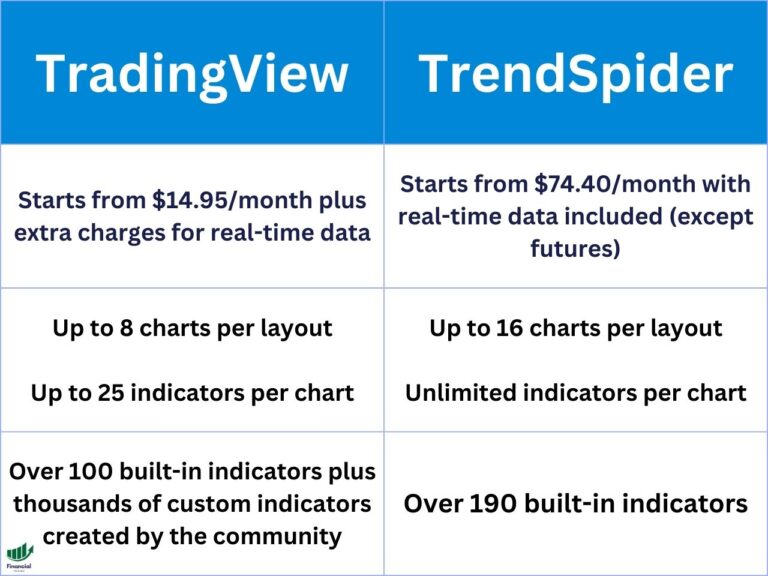
Yes, with limits. The free tier of the screener gives you the full filter library and most preset screens, plus end-of-day data. To get intraday refresh and real-time data inside the screener (essential if you are day trading off it), you need a paid plan. The current pricing tiers run from $14.95 a month (Essential) up to $59.95 a month (Premium); the higher tiers add intraday screening, more saved screens, and access to all filter categories. New users can usually claim a TradingView free trial that includes premium-tier screener access for 30 days, which is enough time to validate whether the screener saves you research time. Pricing changes occasionally, so confirm the current plans on TradingView before subscribing.
The Five-Step Screener Workflow
The single biggest mistake new screener users make: opening the screener, scrolling the default list, and calling that “trade ideas.” A useful pre-step is checking the TradingView heatmap to see which sectors are moving before you run any filters. A productive screener flow has five steps.
Step 1, screen. Pick filters that match your strategy, not filters that look interesting. A scalper needs volume and RVOL; a swing trader needs trend strength; a value investor needs fundamentals. Mixing them produces noise.
Step 2, shortlist. The screener might return 80 tickers. You cannot trade 80 tickers. Cut to 8 to 12 by sorting on the metric you actually care about, then dragging the rest to a holding list.
Step 3, chart. Click any row to open the chart. Spend 30 seconds confirming the technical picture matches the filter intent. A “high RVOL gainer” with a long upper wick at resistance is a different setup from one breaking out on a clean range.
Step 4, watchlist. The shortlist that survives the chart pass goes into a named watchlist. Name it after the screener you used (for example, “Pre-market Gappers” or “EMA-Stack Swing Setups”). Keeping the lineage matters because it lets you measure later which screens produced trades.
Step 5, alert. Set price or indicator alerts on each watchlist ticker so the screener does not have to keep finding the trade for you. When the alert fires you decide whether to take the trade. See the alert setup walkthrough for the full process.
Filter Recipes by Trading Style
There is no universal filter set. The recipe that works depends on what you trade.
Day Trader Recipe
Day traders need liquidity, volatility, and a reason for today’s move. Start with these four filters and refine from there.
- Average daily volume above 1M shares (rules out illiquid names you cannot exit fast).
- Relative volume (RVOL) above 2 (today is at least twice as active as the 90-day average; something is happening).
- Price above $5 (skips most penny stocks that are subject to special rules and predatory spreads).
- Average True Range (ATR, 14-day) above $1 (the stock actually moves enough to make a day trade worth it).
For pre-market gappers add Change from Open above 3% as a secondary filter once the market opens. For the close, swap to the unusual-volume preset.
Swing Trader Recipe
Swing traders hold for days to weeks. The filters change accordingly.
- Price above 50-day EMA AND price above 200-day EMA (the trend filter; long setups only).
- Weekly RSI between 50 and 70 (uptrend not yet overbought).
- Distance from 52-week high below 15% (close enough to break out).
- Average daily volume above 500K (still tradeable size).
Use the moving average guide to confirm EMA stack setups on the chart before entering. For short-side swings, invert the EMA filters and weekly RSI bracket.
Longer-Term Recipe
Position traders or income-oriented investors weight fundamentals over technicals.
- P/E ratio between 5 and 25 (not deeply distressed, not stretched).
- Dividend yield above 3% (income filter).
- Payout ratio below 80% (dividend likely sustainable).
- 5-year revenue growth above 5% (still growing).
Stack with sector and country filters to focus the universe.
Custom Columns and Pine Screener
Pine Screener launched in 2025 and lets you build screener columns from any Pine Script you can write. The use case: anything TradingView does not ship as a built-in column. Want to screen for stocks that gapped up at open and closed in the upper third of the candle? Pine Script handles it. Want a screener column that computes your own composite score across volume, ATR, and trend strength? Same. The catch: Pine Screener is a paid feature on Premium plans, and you write or paste the Pine code yourself. For a Pine Script intro see the dedicated guide.
For traders who do not write Pine, the built-in column packs are sufficient: Overview, Performance, Extended Hours, Valuation, Dividends, Margins, Income Statement, Balance Sheet, Oscillators, and Trend-Following. Each pack swaps the visible columns instantly so you can scan the same shortlist through different lenses without rebuilding the filter set.
Saving and Sharing Screens
Every screen worth running twice should be saved. The save button appears blue once you have at least one filter set. Click it, name the screen something descriptive (the name is the only metadata, so make it count), and TradingView keeps it under your screener Saved menu. Free-tier accounts can save a small number of screens; paid tiers raise the cap.
Sharing is two clicks: open the saved screen, click Share, and copy the link. Anyone with the link can load your filter set and apply it to their own account. Useful for sharing a setup with a trading partner or community.
From Screener Result to Journaled Trade
The piece almost no screener tutorial covers: what to do AFTER the screener does its job. The screener returned a shortlist; you took some trades from it; some won and some lost. The question is which screen actually produced the winners. Without a journal you are guessing.
Before taking any screen’s output live, run TradingView’s built-in paper account for 20 to 30 trades on each setup. It is the fastest way to paper trade your screener picks and confirm the screen is producing actionable setups, not just noise that looks good in hindsight.
A simple discipline: when you log a trade in your journal, add a tag for the screen you found it in. Three months in, you can look at win rate and P&L by screen-source tag and see whether your “EMA-Stack Swing” screen actually outperforms your “Pre-Market Gappers” screen, or whether one of them is a slow drain on the account.
The Financial Tech Wiz Trading Journal supports tagging on every trade and pulls win rate and P&L across your positions broken down by symbol and hold duration; the screener-source tag rides alongside as searchable metadata in the Trades tab. Aggregate analytics by tag are searchable in the Trades tab today, so treat this as a discipline upgrade rather than a push-button dashboard. Not ready for the app yet? The free trading journal template (Google Sheets) includes a tag column you can use immediately.
FAQ
Where is the stock screener in TradingView?
The TradingView stock screener is at tradingview.com/screener. From the homepage, hover Products in the top navigation, hover Screeners in the dropdown, and click Stock. Mobile users get to the same screener through the Markets tab in the TradingView app.
Is the TradingView stock screener free?
Most of the filters and presets are free with end-of-day data. Real-time data, intraday screening, and Pine Screener (custom Pine Script columns) require a paid TradingView plan starting at $14.95 a month. New users can usually trial premium-tier screener features for 30 days.
What is the best filter combination for day trading?
A starter day-trade recipe: average daily volume above 1M shares, relative volume (RVOL) above 2, price above $5, and 14-day ATR above $1. That filters for liquid, volatile names with above-average activity today. Refine with Change from Open or unusual-volume presets depending on the session.
Can you screen with custom indicators on TradingView?
Yes, through Pine Screener. Pine Screener launched in 2025 and lets you build screener columns from any Pine Script you can write or paste in. Useful for composite scores or filter logic that TradingView does not ship as a built-in column. Pine Screener requires a Premium plan.
How many screens can you save?
Free accounts save a small number of screens; paid tiers raise the cap considerably. The blue Save button appears as soon as you have at least one filter set. Name screens descriptively because the name is the only metadata.
Get Your Free Trading Resources
Grab the free trading journal template plus the same tools we use to stay organized, consistent, and objective.
- Free trading journal template
- Custom indicators, watchlists, and scanners
- Access our free trading community
Enter your email below to get instant access.
No spam. Unsubscribe anytime.