Interactive Brokers vs Tradovate: Which Trading Platform Fits Your Style?

Interactive Brokers and Tradovate serve very different types of traders, even though they are often compared side by side. One is a full-service, global brokerage built for advanced and automated strategies. The other is a futures-first platform designed around low commissions and active trading.
In this guide, we break down how Interactive Brokers and Tradovate compare across pricing, tools, supported assets, and ideal use cases so you can decide which platform actually makes sense for how you trade.
All data below was manually researched and compiled from official platform documentation and public sources to ensure accuracy.
- Professional grade order control
- Built for automation and systematic trading
- Competitive options and futures pricing
- Low cost futures focused platform
- Native TradingView integration
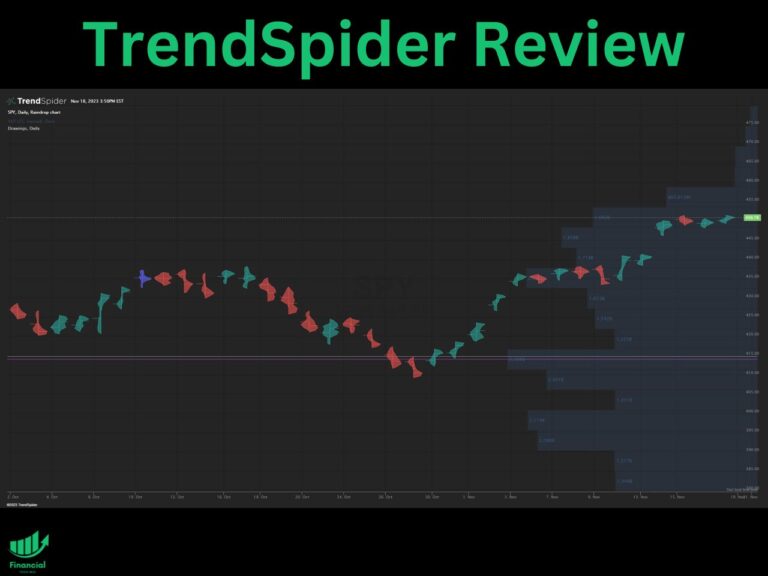
- Volume and market profile tools included
Overview of Interactive Brokers
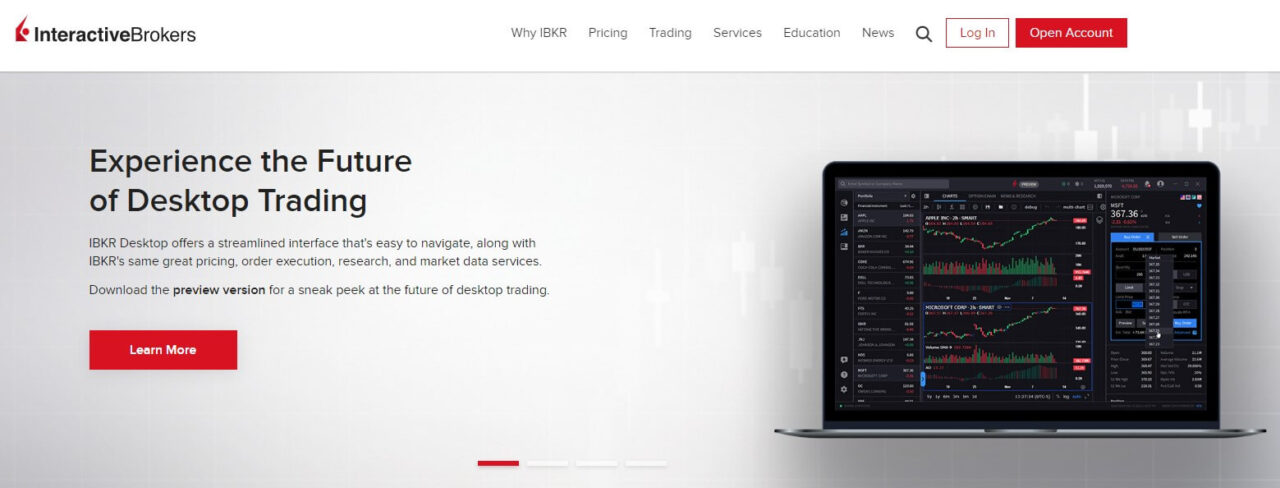
Interactive Brokers, founded in 1978, is one of the most established brokerage firms in the world. It serves individual investors, professional traders, hedge funds, and institutions across global markets.
The platform is known for aggressive pricing on options and futures and a deep set of order types. Where IBKR tends to fall short is usability. Charting is functional but dated, and the learning curve is steep compared to newer platforms.
Key Strengths
- Advanced and customizable order types
- Strong support for automated and systematic trading
- Low commissions on options and futures
Who Interactive Brokers Is Best For
Interactive Brokers is best suited for advanced traders who value control, automation, and access to many markets. Beginners may find the interface overwhelming, and traders looking for a clean, modern experience may feel frustrated by the platform’s complexity.
If ease of use and visual charting are your top priorities, IBKR is probably not the best fit.
Overview of Tradovate
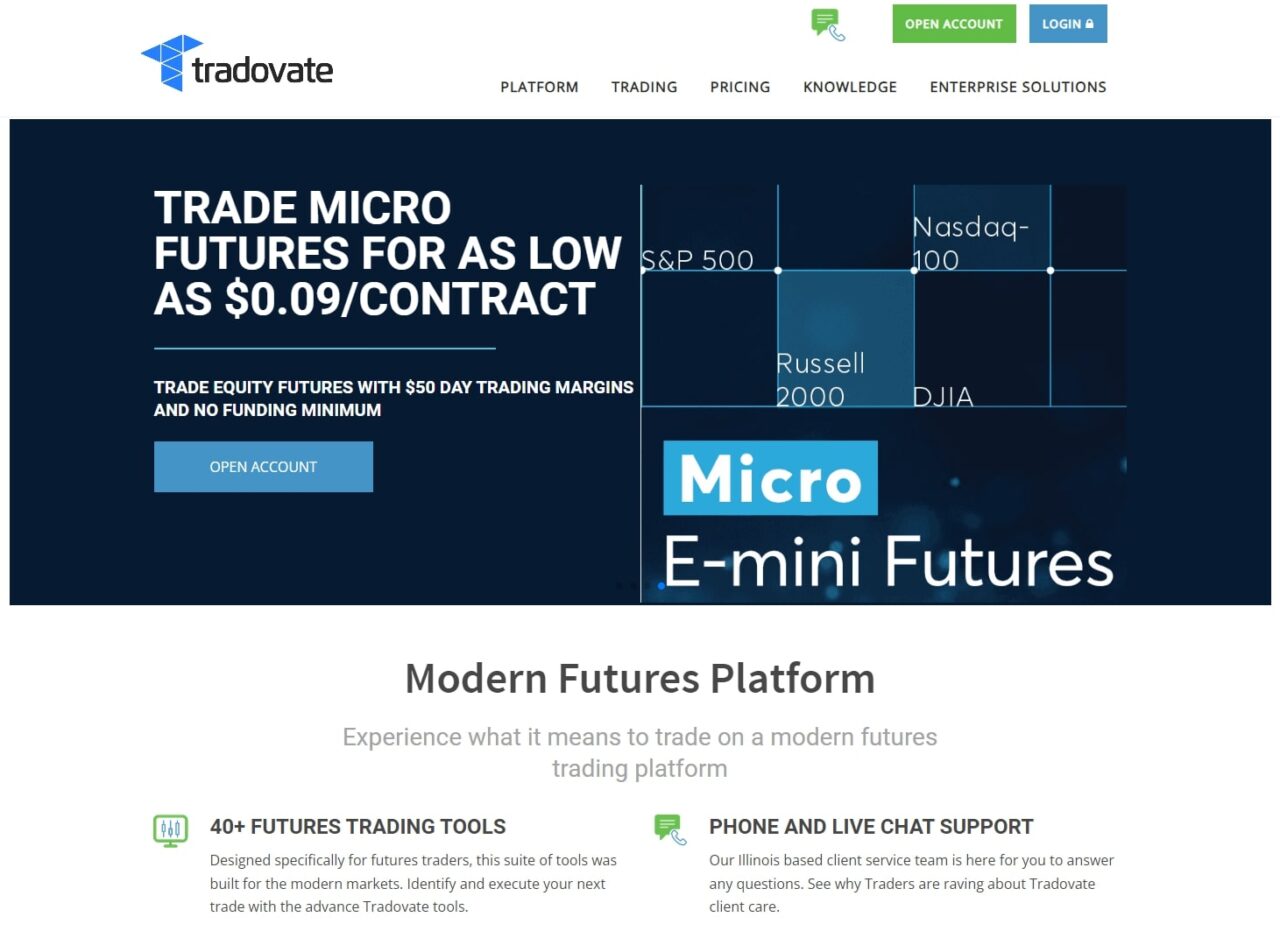
Tradovate is a futures-focused brokerage built specifically for active traders. Its pricing model is straightforward, and traders can reduce commissions further by subscribing to monthly or lifetime plans.
Tradovate supports micro contracts, which lowers the capital required to trade futures. Its charting tools are solid and include advanced features like volume profile and market profile, though many traders still prefer TradingView for pure charting flexibility.
Key Strengths
- Low futures commissions
- Direct integration with TradingView
- Built-in charting with advanced volume tools
Who Tradovate Is Best For
Tradovate is ideal for traders who focus primarily on futures and trade often enough to benefit from reduced commission plans. It is not designed for stock, ETF, or long-term investing, so traders who want broader market exposure will need a different platform.
Key Characteristics of Interactive Brokers and Tradovate
| Feature | Interactive Brokers | Tradovate |
|---|---|---|
| Platform Type | Full-service brokerage | Futures-focused brokerage |
| Tradable Assets | Stocks, ETFs, mutual funds, options, futures, futures options, bonds, crypto | Futures, futures options, forex |
| Charting | Desktop, web, and mobile platforms | Integrated charting with subscription |
| Market Data | Real-time data requires paid subscriptions | Real-time data included with funded account |
| Premium Pricing | No premium tiers | $99 per month or $1,499 lifetime for reduced commissions |
Trading Features and Tools
| Feature | Interactive Brokers | Tradovate |
|---|---|---|
| DRIP | Available, with fees | Not available |
| Margin Trading | Yes | Yes |
| Insurance | SIPC insured | Not insured |
| Mobile App | Yes | Yes |
Trading Costs and Commissions Compared
| Fee Type | Interactive Brokers | Tradovate |
|---|---|---|
| Stock Trades | Free | Not supported |
| Options | $0.65 per contract | Not supported |
| Futures | $0.85 per contract, $0.25 micro | $1.29 per contract, $0.35 micro |
| Futures Options | $0.85 per contract, $0.25 micro | Typically same as futures |
| Option Exercise Fees | None | None |
Final Verdict: Interactive Brokers vs Tradovate
There is no universal winner in this comparison. The better choice depends entirely on how and what you trade.
Interactive Brokers is a powerful platform for experienced traders who want access to many asset classes, advanced order control, and automation capabilities. It sacrifices simplicity in exchange for flexibility and depth.
Tradovate shines for futures traders who care about execution costs, clean workflows, and TradingView integration. It is narrowly focused, but within that niche, it performs very well.
If you align the platform with your trading style rather than trying to force a one-size-fits-all solution, the decision becomes much clearer.
Related Trading Platform Comparisons
Interactive Brokers vs thinkorswim
Interactive Brokers vs Vanguard
Get Your Free Trading Resources
Grab the free trading journal template plus the same tools we use to stay organized, consistent, and objective.
- Free trading journal template
- Custom indicators, watchlists, and scanners
- Access our free trading community
Enter your email below to get instant access.
No spam. Unsubscribe anytime.